3 Myths About AI Ethics and Safety: What Everyone Needs to Know
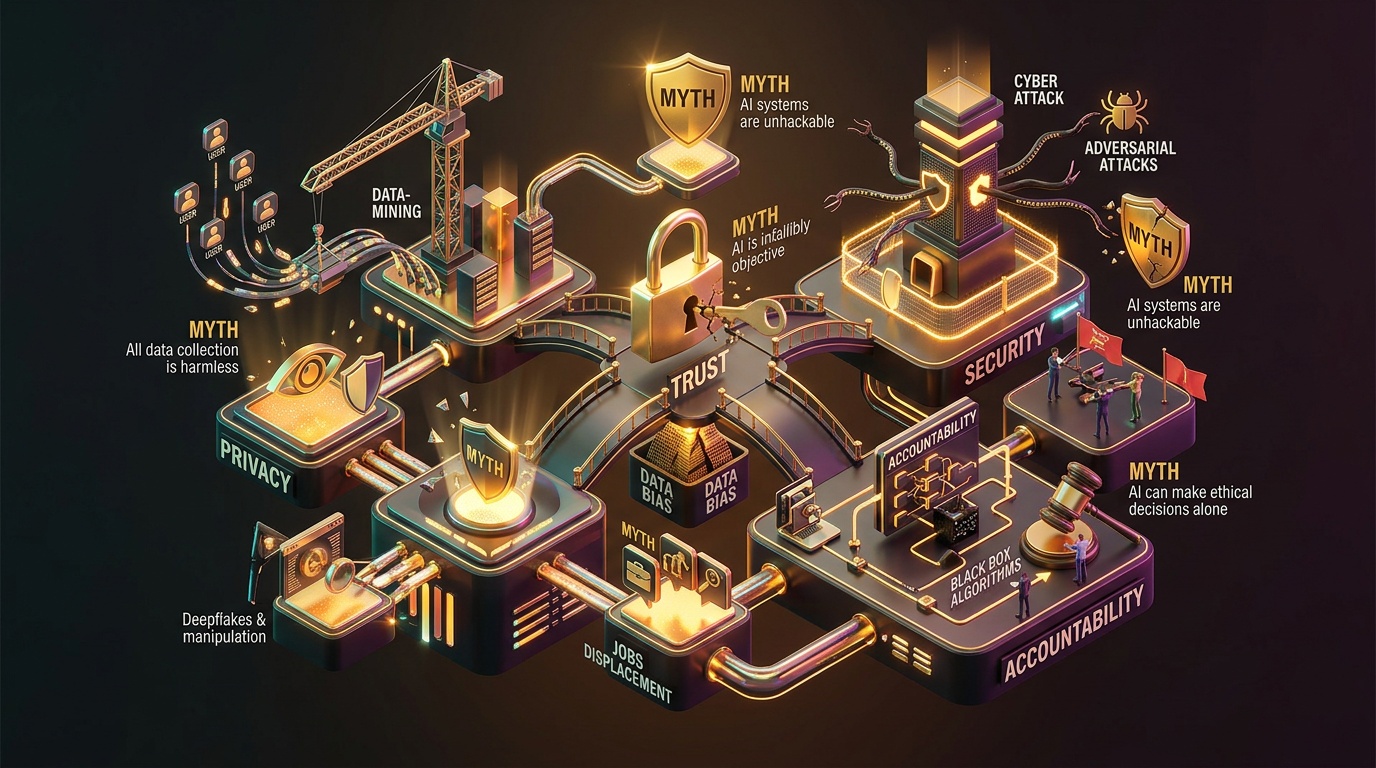
Artificial intelligence is rapidly integrating into various aspects of our lives, but this has sparked a multitude of myths and misunderstandings. These misconceptions can hinder a better understanding and use of AI technologies. Let's break down three popular myths about AI ethics and safety to clarify the situation.
Myth 1: AI is inherently ethical
Many believe that AI is "smart" enough to follow ethical standards on its own. In reality, all decisions made by AI are based on data and algorithms developed by humans. This means that errors and biases in the data can be transferred to the AI level. As noted by [wciom.ru]( 77% of Russians believe that human oversight is necessary to evaluate the ethics of decisions made by AI.
Myth 2: Algorithms cannot be biased
There is a belief that AI algorithms are objective. However, algorithms depend on the data they were trained on. If this data contains bias, the algorithms will reproduce it. According to [productstar.ru]( new standards are being developed to include methods for minimizing such risks and requirements for algorithmic transparency.
Myth 3: Data privacy is always under control
Many are confident that AI systems automatically ensure data protection. However, leaks of confidential information and misuse remain a serious problem. Therefore, it is important to apply strict data protection measures and comply with privacy laws, as noted by [postnauka.org]( This strengthens user trust and helps manage risks.
AI ethics and safety are critical aspects that require a balanced approach. Understanding and debunking these myths help us better approach the use of AI in our personal and professional lives. You can try out the capabilities of AI yourself using models from GEMERA AI to discover the real benefits and limitations of these technologies.