3 AI Design Challenges You Need to Know About
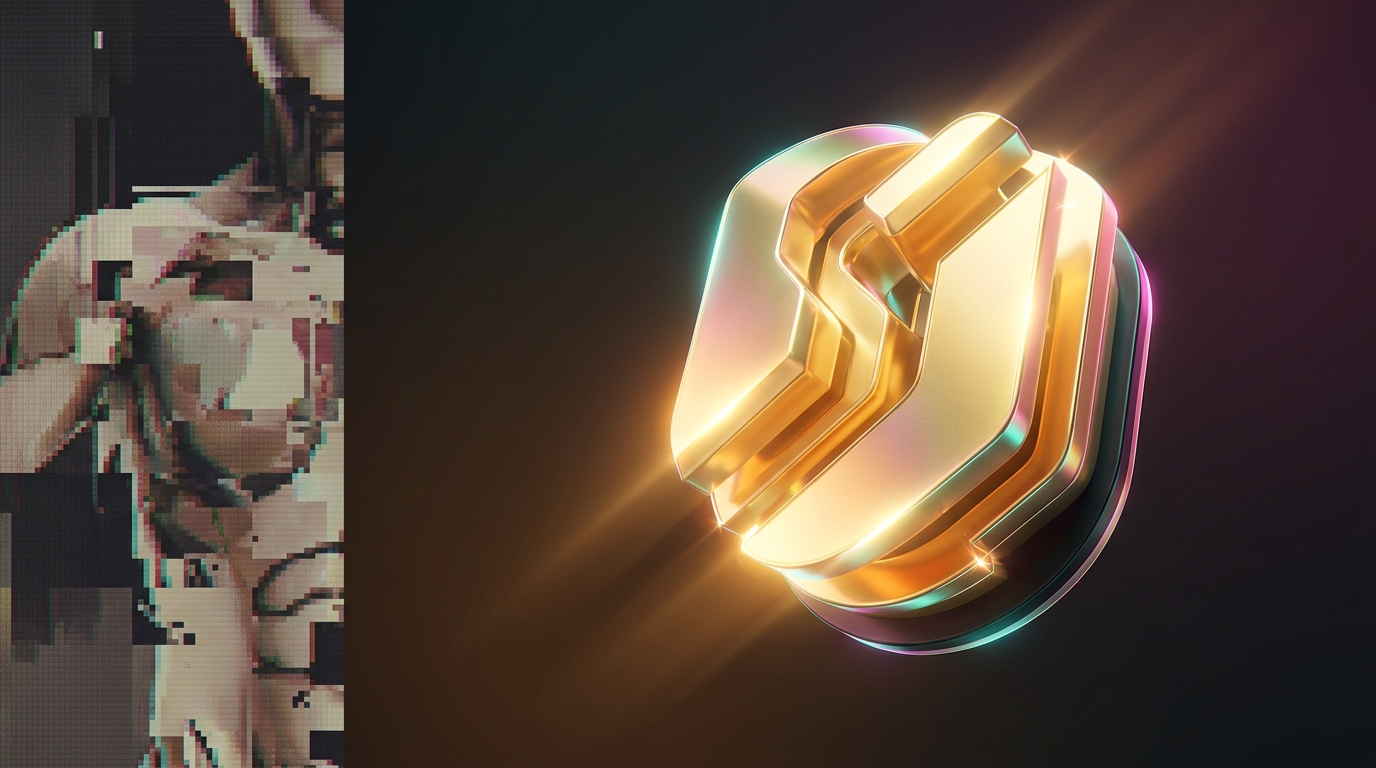
Integrating artificial intelligence into design processes is becoming increasingly popular. However, despite all its capabilities, AI is not without its flaws, especially for beginners. Let's discuss three main problems with using AI in design that you should be cautious about.
Image Resolution Issues
One of the first difficulties a designer encounters is the insufficient resolution of generated images. In most cases, AI produces images at 72–96 dpi, which is suitable for web viewing but not for print. To create a high-quality image, a minimum of 300 dpi is required. This means that significant post-processing may be needed for printing banners and promotional materials.
Hallucinations and Artifacts
AI is often unable to adequately reproduce complex elements such as anatomy or perspective. As a result, images may appear with extra elements and blurred edges. This is because models still struggle to understand the logic and structure of objects, which complicates their application in professional design.
Lack of Brand Identity Understanding
Another serious problem is the AI's inability to follow a brand book. Every element of a brand book—whether it's the color palette or fonts—requires a careful approach. Even if you upload a brand book into the context, the AI will not be able to correctly interpret and apply its rules. A designer often has to manually correct the results to match the brand identity.
Despite these challenges, AI can be a useful tool for speeding up certain routine tasks. However, it is important to clearly understand its limitations and not rely solely on automation.
If you want to test the capabilities of various AI models and see how they can help in your work, try the tools at GEMERA AI.