5 Questions About How AI Is Changing the Photographer's Work
How is AI changing the photo editing process?
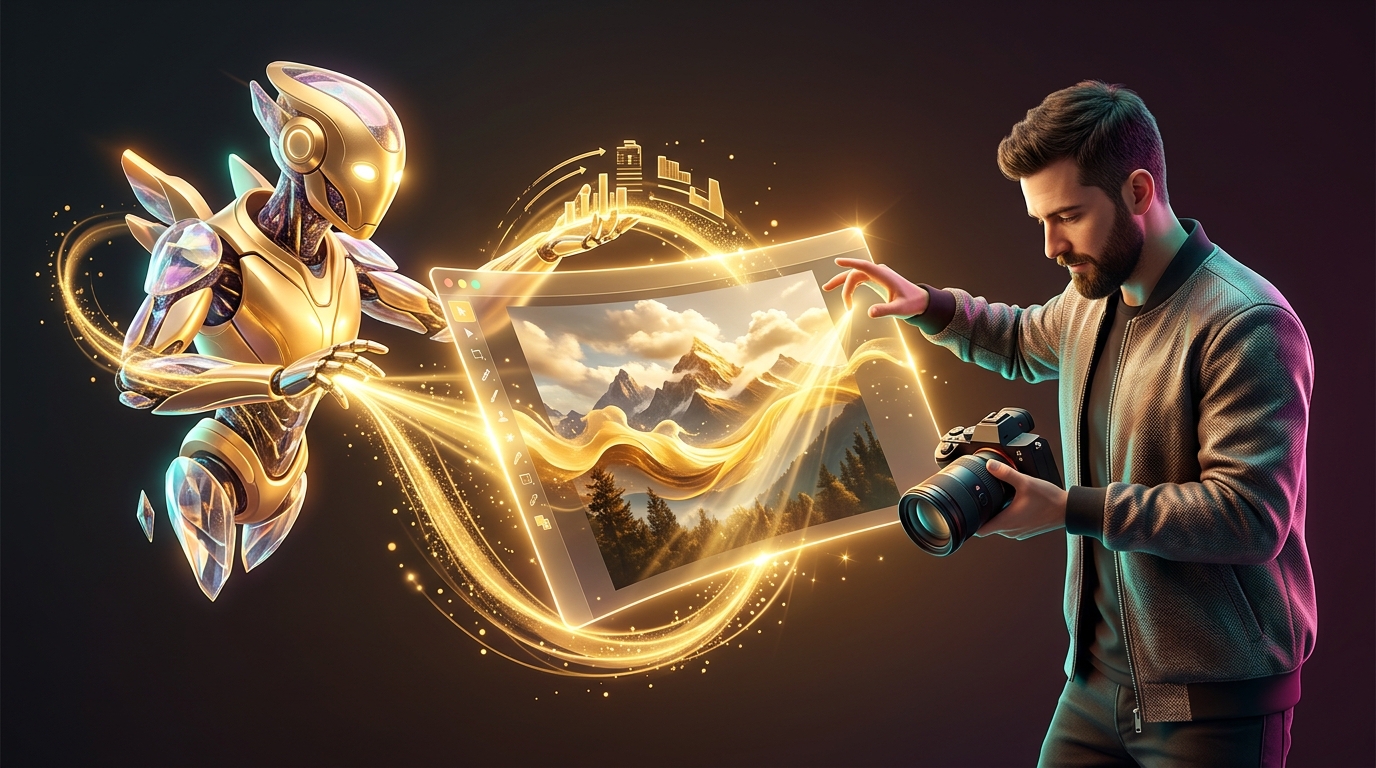
With the arrival of tools like Google's Nano Banana 2, the photo editing process has become simpler. Now, instead of manually working with layers and masks, a text prompt is enough, and the neural network will figure out what to do on its own. This allows for a significant reduction in processing time and speeds up content delivery.
Does this mean the end for photographers?
Not exactly. AI handles routine tasks well, but the creative concept and final artistic polish remain in human hands. Photographers can handle a larger volume of orders with the help of AI, but their professionalism and artistic taste remain key.
How accurate is AI at generating images?
The technology is progressing, but a guaranteed perfect result on the first try is not always possible. For complex, multi-part prompts, several iterations may be required. It is important to verify results, especially in critical commercial projects.
How does AI affect the cost of photoshoots and editing?
The economics have become more flexible: instead of a fixed cost for every photoshoot, payment is now often based on the actual volume of generations. This lowers the barrier to entry for small companies that previously could not afford to work with professional studios.
Which skills remain in demand for photographers?
Even with the development of AI, human craftsmanship and a unique authorial style remain valuable. Without taste and an understanding of composition, photos will lose their artistic value. AI helps, but it does not replace a true professional.
Try GEMERA AI models to see how they complement your work.