Anthropic Transfers Agent Skills Standard to the Linux Foundation
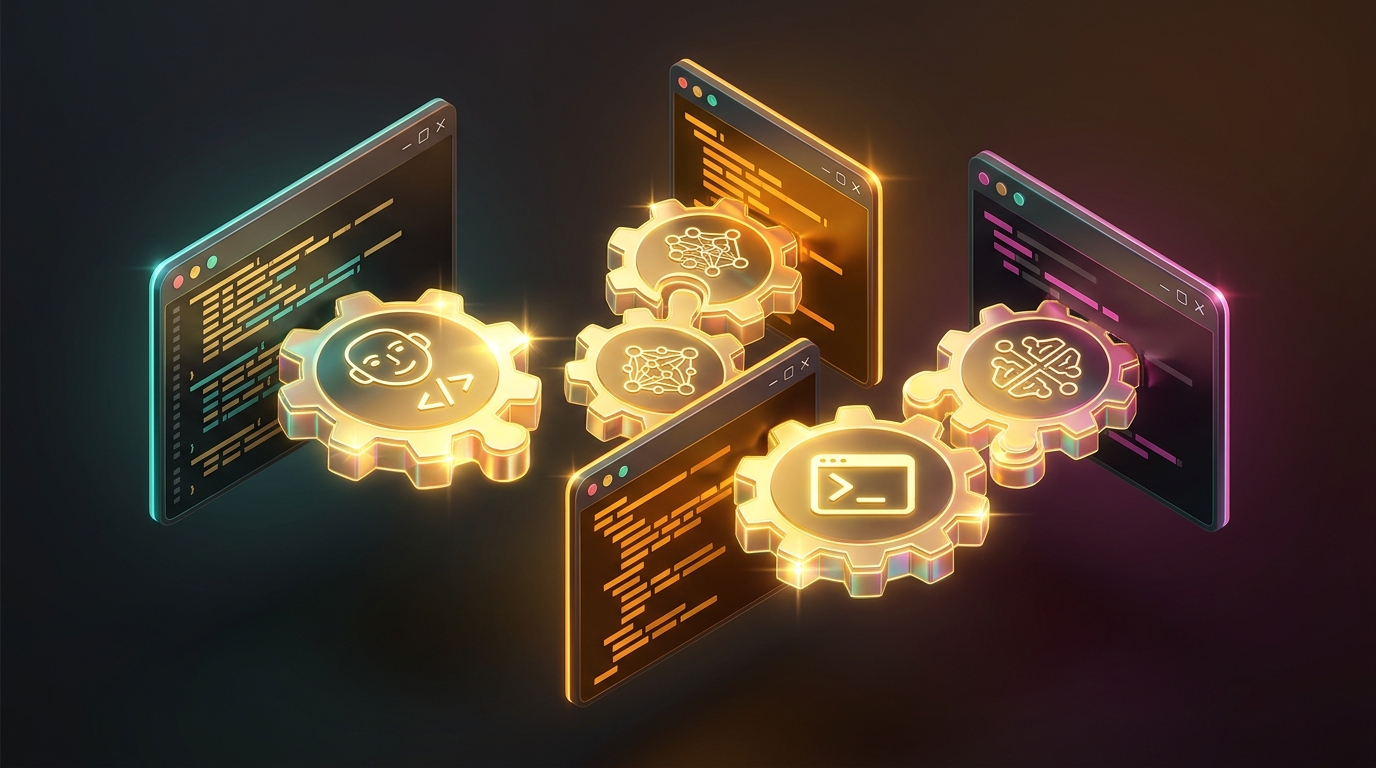
While everyone is busy discussing the latest model versions, something more significant has quietly occurred: Anthropic is no longer the sole owner of the format that has become the de facto common language for AI agent instructions in code. I believe this move will impact AI-assisted programming practices more profoundly than any incremental benchmark improvement.
What exactly happened
On October 22, Anthropic transferred the Agent Skills standard—including the name, logo, GitHub organization, and domain—to the independent Agentic AI Foundation, which operates under the auspices of the Linux Foundation. Notably, the standard can be used or further developed without joining the foundation, meaning the barrier to entry for the community is virtually non-existent.
For those not in the loop: Agent Skills is the format used in Claude Code to describe reusable agent capabilities—step-by-step procedures that the model picks up automatically when a task matches the description. Essentially, these are modular "skills" that can be packaged once and ported between projects.
Almost simultaneously, a different but related event occurred in the OpenAI Codex ecosystem: GPT-6.1 Terra was added to the model catalogs. Two different vendors, two different occasions—but both are moving in the same direction: making tools for agentic programming less dependent on a single platform.
Why this matters, beyond the formality
For me, the key word here is portability. As long as Agent Skills was an internal feature of one product, any skill you built for Claude Code was an investment in a single tool. Once the format becomes an open standard under a neutral foundation, it creates an incentive for other agent developers—including those building wrappers around GPT and Codex—to support the same skill description format.
This is not just abstract theory. The scale of the audience already tied to such tools is massive. If even a fraction of this user base starts describing their workflows in a unified open format rather than a proprietary one, everyone wins—including those working with different models for a single task.
What this changes in daily work
I see three practical consequences, and none of them are about hype:
- Less rewriting of prompts from scratch. If a skill is described in an open format, its logic is easier to port between agents rather than maintaining a separate version of the instruction for every model.
- Lower risk of vendor lock-in. A team that has invested in a library of skills is no longer tied strictly to one provider, which reduces the cost of potential migration.
- Faster maturation of the ready-made solutions ecosystem. An open standard usually leads to public repositories of ready-to-use skills—what used to be written manually for a specific project will eventually be plug-and-play.
However, I wouldn't expect an instant revolution. Donating a standard is not a guarantee that by tomorrow morning you will be able to take a skill from Claude Code and run it exactly as is in Codex. Technical format compatibility and real cross-platform support are different things, and it usually takes more than a month to bridge that gap.
My take as an editor
Looking at the last few months as a whole, the trend is clear: developers of coding tools are increasingly agreeing on common rules of the game where everyone previously pulled in their own direction. This is a good signal for everyone who writes code with AI daily, rather than just following the news for interest. Open skill formats and the expansion of model catalogs are bricks in the same wall: a programmer's AI workflow should eventually stop depending on which logo the specific model operates under.
If you are interested in trying different programming models in one place without being tied to a specific vendor, check out the GEMERA AI tool catalog. There, you can compare how GPT, Claude, and other available models handle your coding tasks without having to commit to one ecosystem forever.