ChatGPT Images 2.0: The First Generator That Reasons Before It Draws
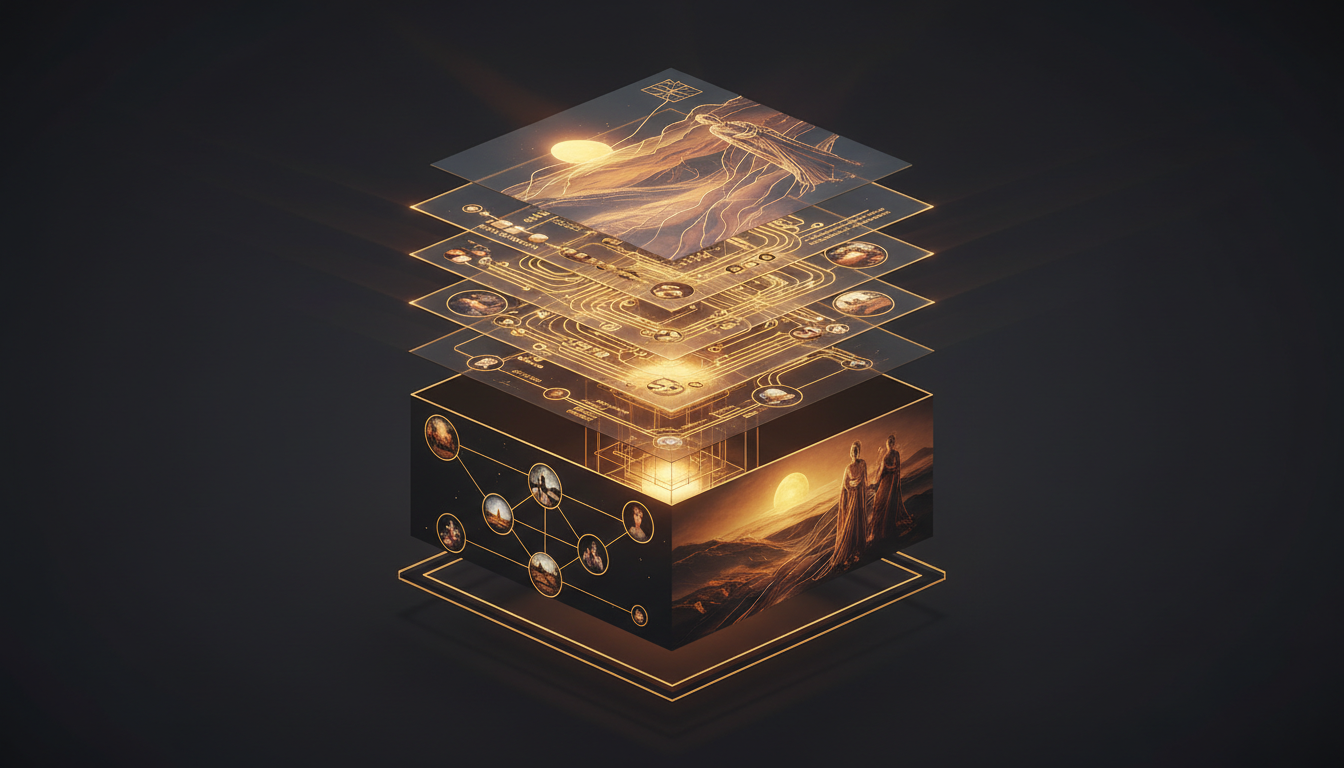
On April 21, 2026, OpenAI released ChatGPT Images 2.0, introducing a reasoning mode for the first time in the history of generative models. The model under the hood is called gpt-image-2, and its key innovation is not in resolution or style, but in its ability to plan composition, check details, and correct errors before it even begins to draw. Within 12 hours of its release, the model took first place in the Image Arena with a lead of 242 points — the largest in the leaderboard's history.
What Has Changed: From Generation to Planning
Previously, generative models worked on a "text → image" principle: they received a prompt, launched diffusion, and outputted a result. If the text on the image came out garbled or the characters' faces didn't match, the user either re-generated it or went to Photoshop.
ChatGPT Images 2.0 works differently. Before generation, the model:
- plans the composition: it determines the placement of objects, the hierarchy of elements, and color balance;
- verifies details: it analyzes the text in the prompt and verifies that labels, numbers, and dates will be correct;
- searches for references: if the request mentions an object or character that was not in the training set, the model finds an up-to-date visual reference;
- generates consistent series: if multiple images with the same character or style are needed, the model maintains visual coherence without additional instructions.
Only after this does the actual generation begin. The result is images that do not require manual refinement.
Who This Changes Work For
For designers. You can generate a series of posters for an event, and all labels will be correct, dates accurate, and the style consistent. There is no need to export to Figma and redo things manually. The model understands requests like "create three cover variants for a PDF report with a company logo, title, and subtitle" and delivers a finished result.
For marketers. Generation of advertising creatives with correct text, prices, and promotional terms. Previously, AI provided a concept, and a designer created the final layout. Now, the model can provide a layout ready for publication in targeted ads or outdoor advertising.
For developers. The API is integrated into the OpenAI ecosystem, formats are standard, and the documentation is familiar. You can add image generation to your product with half an hour of coding. If you are building a SaaS that requires image generation based on user data, you no longer need to build workarounds using multiple models and post-processing.
For publishers. Generation of illustrations for articles, infographics, and covers. The model understands the context of the text and can create a visual sequence that accurately matches the content. Multi-panel comics with consistent characters — without manual redrawing of faces and clothing.
What You Can Do Today
ChatGPT Images 2.0 is available to all Plus and Pro subscribers and via API. Here are a few scenarios that work right now:
- Restaurant menu with prices and dish descriptions. The model generates a menu layout with correct names, prices, and ingredients — without typos or artifacts.
- Infographics with data. You upload a table or a list of numbers, and the model creates a visualization with correct labels, a legend, and sources.
- Series of illustrations for a blog. One request — five images in a unified style with the same character or brand elements.
- Advertising creatives for A/B testing. The model generates several banner variants with different headlines, colors, and compositions — ready to be uploaded to an ad manager.
Why This Matters
ChatGPT Images 2.0 is the first generative image model that is production-ready without caveats. Previously, AI generation was a tool for concepts, mood boards, and quick sketches. The final result still required manual refinement: fixing text, adjusting colors, removing artifacts, and redrawing faces.
Now, the model can provide a result that goes directly to print or publication. This is the end of the "almost right, but needs manual finishing" era.
The next step is to apply the same approach to video, 3D, and audio. But it is already clear: AI that thinks before it acts provides results that are an order of magnitude better than AI that simply acts.
Want to try the new image generation capabilities? GEMERA AI offers the latest models from OpenAI, Google, and other leaders — in a single interface, without switching between services. Test ChatGPT Images 2.0 and compare it with Imagen 4, Kandinsky 6.0, and other generators right in the bot or web dashboard.