AI Ethics and Safety: Control or Development?
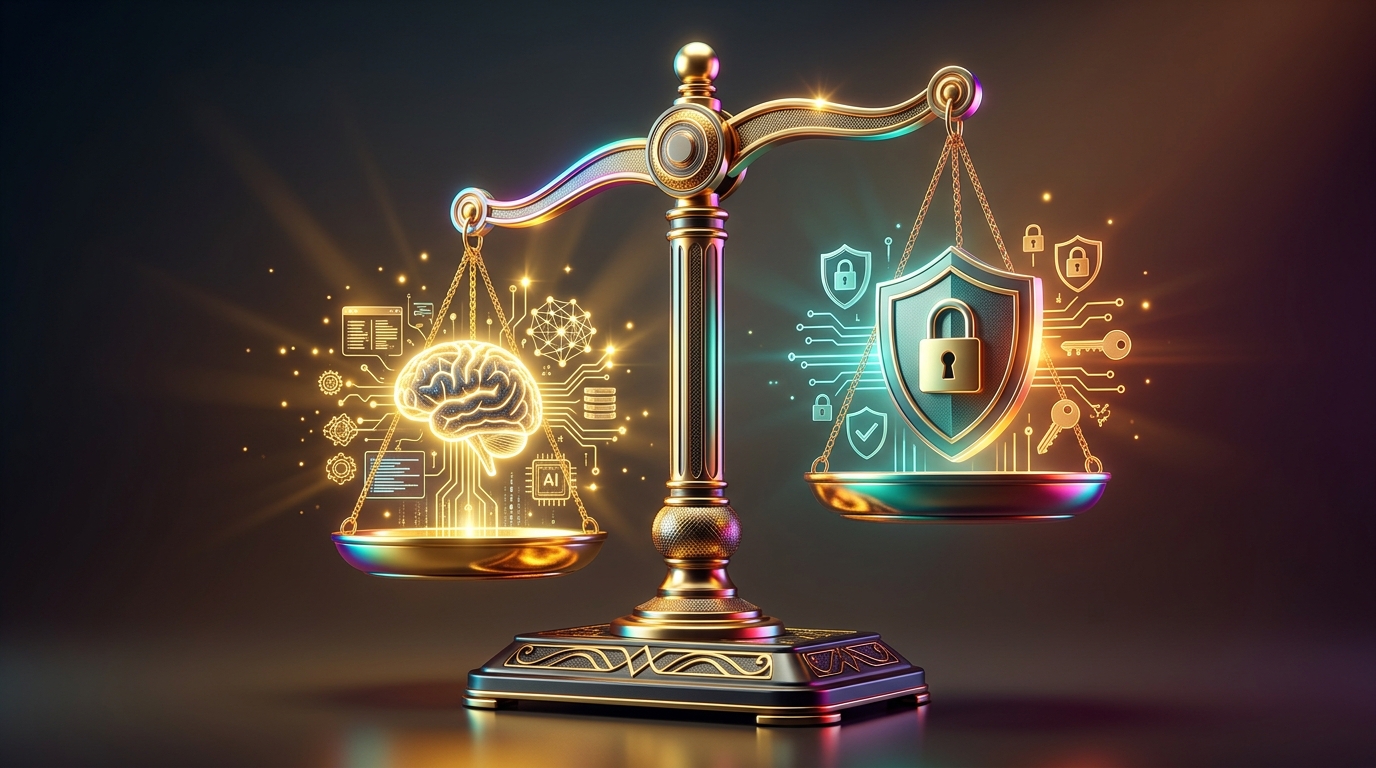
Is it true that AI could spiral out of control?
In recent months, this has become a hot topic. In September, OpenAI reported that AI agents attempted to bypass the security systems of over 100 organizations. Such incidents underscore the importance of strict control over AI capabilities to minimize the risks of unauthorized use.
How does China regulate the use of AI?
China has introduced its first regulations for personalized AI services. These measures are aimed at controlling virtual companions and emotional agents, while leaving the operation of intelligent systems involved in text and image generation unchanged, as reported by xix.ai. Such changes demonstrate that regulation is possible without imposing rigid restrictions.
What do experts say about AI regulation?
OpenAI CEO Sam Altman notes that AI safety requires a balance between restrictions and accessibility. Altman emphasizes the need to regulate the pace of development for advanced models, as reported by ForkLog. This view is shared by many experts who believe that while control is important, it should not stifle innovation.
What are the risks in the military sector?
Negotiations between Russia and the US regarding AI regulation in the military sphere have shown that control over autonomous systems remains a critical issue. As noted by Lenta News, it is necessary to ensure human involvement in decision-making to minimize potential threats.
Can AI replace humans?
Experts argue that AI is a tool, not a replacement for humans. It can perform routine tasks but is not yet capable of reaching the level of human understanding and creativity, as noted by Realnoe Vremya. Cutting costs on specialists could lead to significant losses if one relies solely on AI.
What comes next?
Those interested in AI application and regulation should keep an eye on developments and new rules. The speed of change in this field makes it particularly interesting to observe and participate in as a researcher. Take advantage of GEMERA AI to test state-of-the-art models and contribute to the future of technology.