Ethics vs. Convenience: AI Photography and Privacy
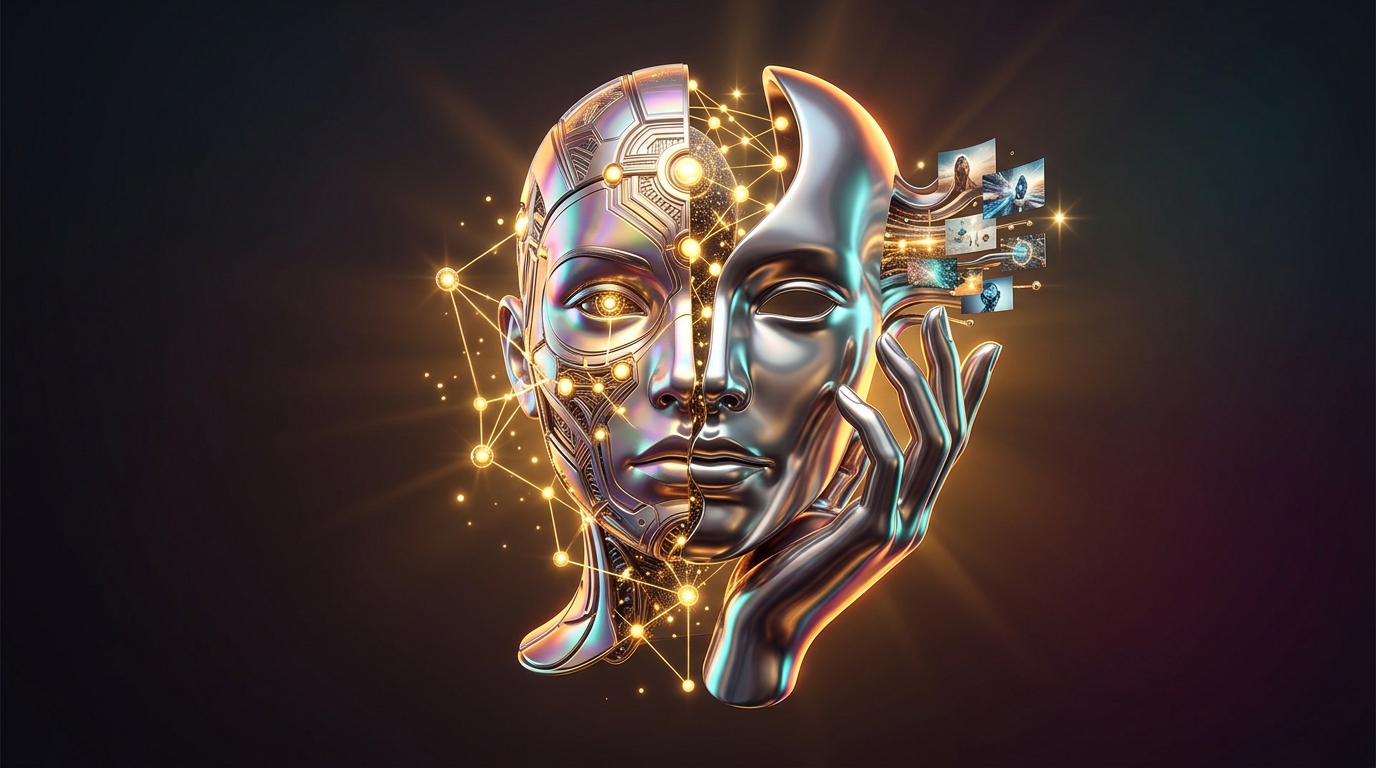
Every year, neural network technologies are becoming more accessible and powerful. This is especially noticeable in the field of AI photography, where AI can create photorealistic images of people who either never existed or have been altered beyond recognition. However, such development brings new challenges regarding ethics and privacy. Questions that once seemed hypothetical now require practical solutions.
Ethical Aspects of AI Photography
Creating images with AI is becoming not only popular but also easily accessible. However, this raises many ethical questions. For example, as noted by Habr, using images of real people without their consent is legally and ethically unacceptable in most countries. Successes in detecting public figures and the refusal to generate realistic images of recognizable individuals have become the standard for most platforms.
It is important to remember that even if creating an AI photo is possible, it does not mean it can be used anywhere. Commercial use may require additional permissions and is strictly dependent on the terms of a specific platform. It is always worth reviewing license agreements before using AI-generated photos.
Labeling and Transparency
As noted by zekaiwork.com, labeling AI content is becoming not just a recommendation, but a mandatory requirement on many platforms. Article 50 of the EU AI Act requires that content generated by AI and intended for the EU market be appropriately labeled. This is done so that users can easily distinguish synthetic content from real content.
Such rules are important not only for transparency but also for protecting consumer rights. Publishing an image that misleads users—whether it is the wrong product color or distorted proportions—can lead to legal consequences. This is especially important for sellers on marketplaces, where the accuracy of an image directly influences purchasing decisions.
Application and Verification of AI Photos
Using neural networks to generate images can open up many opportunities for businesses. However, it is important to remember the need for thorough verification of the final content. Habr suggests checking proportions, colors, text, and other important details before publishing. This helps avoid common errors, such as distorted logos or incorrect color schemes that AI might accidentally generate.
Using AI to create product photos is not just a step forward in technology; it is also a responsibility. If you decide to use such tools, do not forget about their ethical aspects and obligations to consumers.
Conclusion
Ethics and technology are two sides of the same coin. With the development of AI photography, it is important not only to enjoy its capabilities but also to understand the boundaries of what is acceptable. At GEMERA AI, we provide you with access to advanced models so that you can explore these possibilities without forgetting the importance of ethics and privacy.