How AI is Changing Design: New Opportunities for Creatives
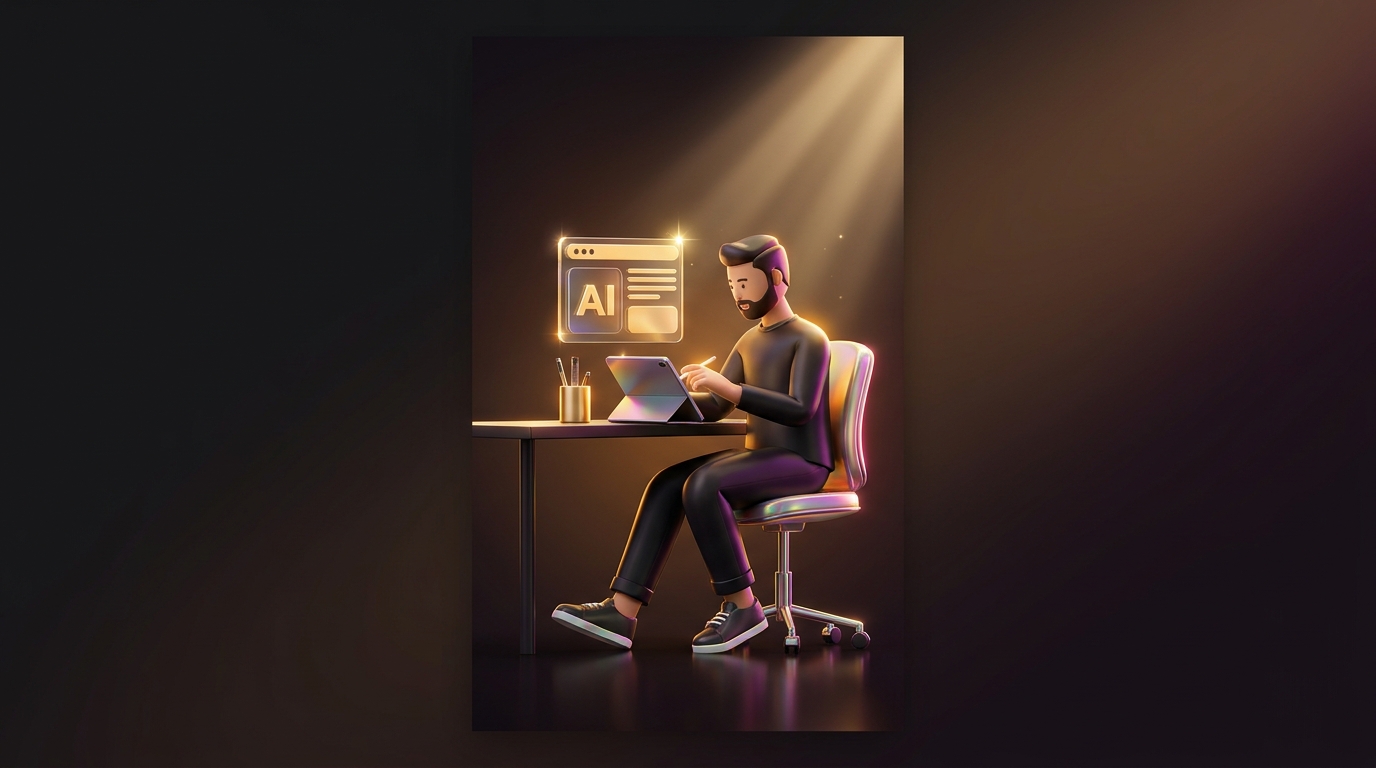
Artificial intelligence has confidently stepped into the world of design, changing familiar processes and approaches. Today, designers are actively using AI to accelerate content creation and free up time for more significant aspects of their work.
Where does the path of change begin?
Companies are experimenting with the integration of AI designers who test new tools and train teams. This allows for faster adaptation to change and maximizes the potential of these technologies. Neural networks do not replace specialists; rather, they help handle routine tasks, making them faster and more efficient.
With the help of AI, you can quickly create sketches, prepare them for testing, and update icons. A neural network now handles the routine work, leaving final decisions to the human. For example, Midjourney and ChatGPT/Claude are becoming popular tools for designers.
Are skill requirements changing?
With the emergence of new technologies, the skill requirements for designers are also shifting. Now, it is important not only to be able to work with creative tools but also to understand the logic behind them in order to implement them effectively into projects. Designers must think systematically, determining which interface elements should be combined in advance and how to organize user interaction with the product.
What remains on the human's shoulders?
Despite the rapid development of AI, the designer remains the main link controlling the process. Experience, taste, and an understanding of context remain key. Images created by a neural network require refinement and adaptation to the tasks of a specific brand, while consistency and presentation require human intuition.
Prospects and Challenges
AI opens up new horizons for experimentation and creativity for designers. Models help optimize the process of creating and testing concepts. However, to remain competitive, it is important for specialists to learn how to work with new tools and develop systematic thinking.
Try using the capabilities of AI in design with the GEMERA AI platform to offload routine tasks to assistants and focus on creativity.