How to Avoid Robot and Neural Network Errors with FLUX 3 in 10 Minutes
What happened
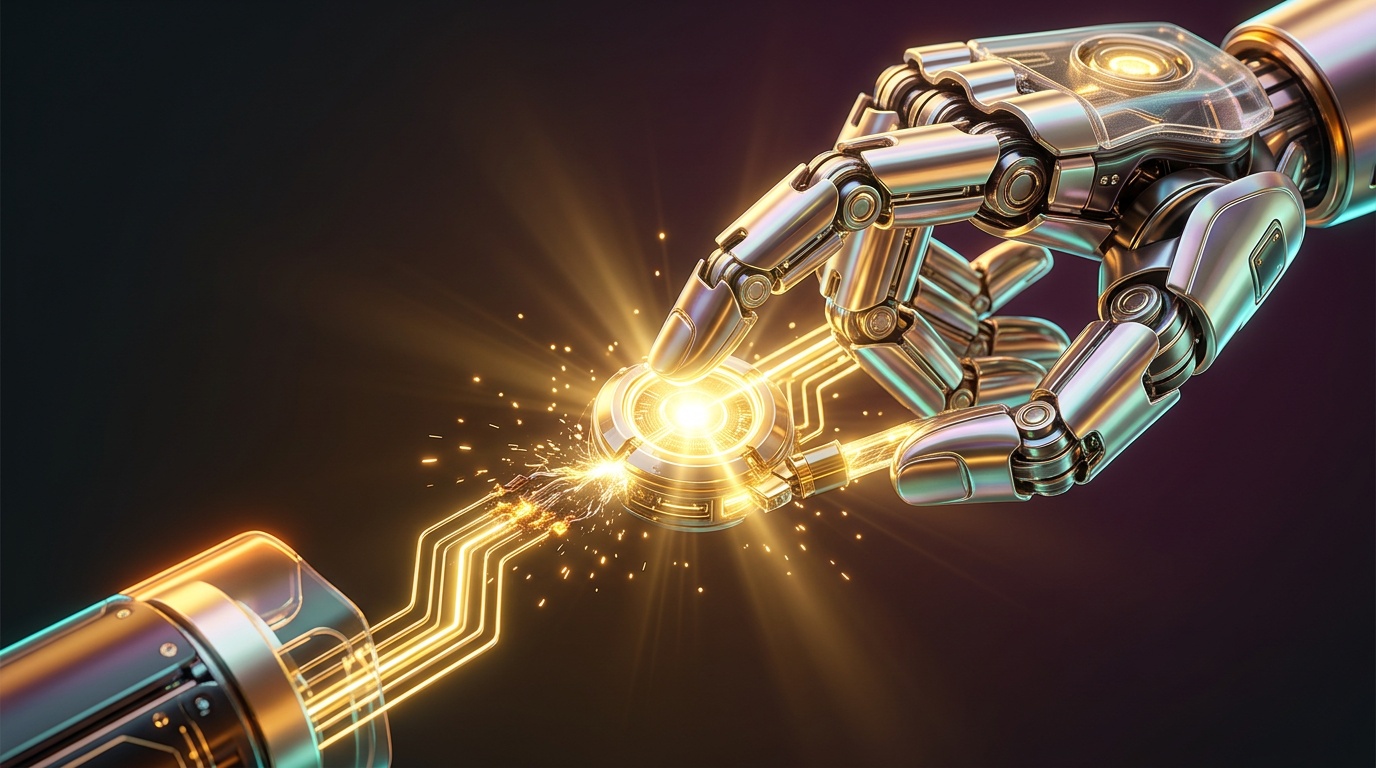
Black Forest Labs has introduced FLUX 3, a unique multimodal model capable of not only creating visual content but also controlling robotic actions. The model can predict physical actions and correct errors without reprogramming, making it revolutionary in the world of AI.
Why it matters
Previously, neural networks often created images and videos without understanding the laws of physics, which led to errors and flaws. FLUX 3 is trained on 95% video data, allowing it to simulate physical interactions, such as object weight and inertia. This approach makes it indispensable for automating tasks that require interaction with physical objects.
How it changes the approach
FLUX 3 uses a unique Diffusion Transformer architecture that allows for the integration of image, video, audio, and action processing under a single system. This means the model is capable of learning from cross-modal connections, making it flexible and adaptive.
- Text-to-video: Generating clips from text descriptions.
- Image-to-video: Animating a static image while preserving key elements.
- Video-to-video: Transforming an original clip while maintaining important characters.
- Video extension: Predicting the continuation of a clip and its audio.
These capabilities make FLUX 3 an attractive tool for businesses striving to automate production processes and improve content quality.
Limitations and prospects
FLUX 3 is currently available in limited early access, and its full potential will be revealed after the official release of the open weights. This opens the door for independent verification and adaptation of the model to specific tasks.
Try FLUX 3 via GEMERA AI to evaluate its potential for your project.