How Neural Networks Make Mistakes and How to Leverage Their Capabilities
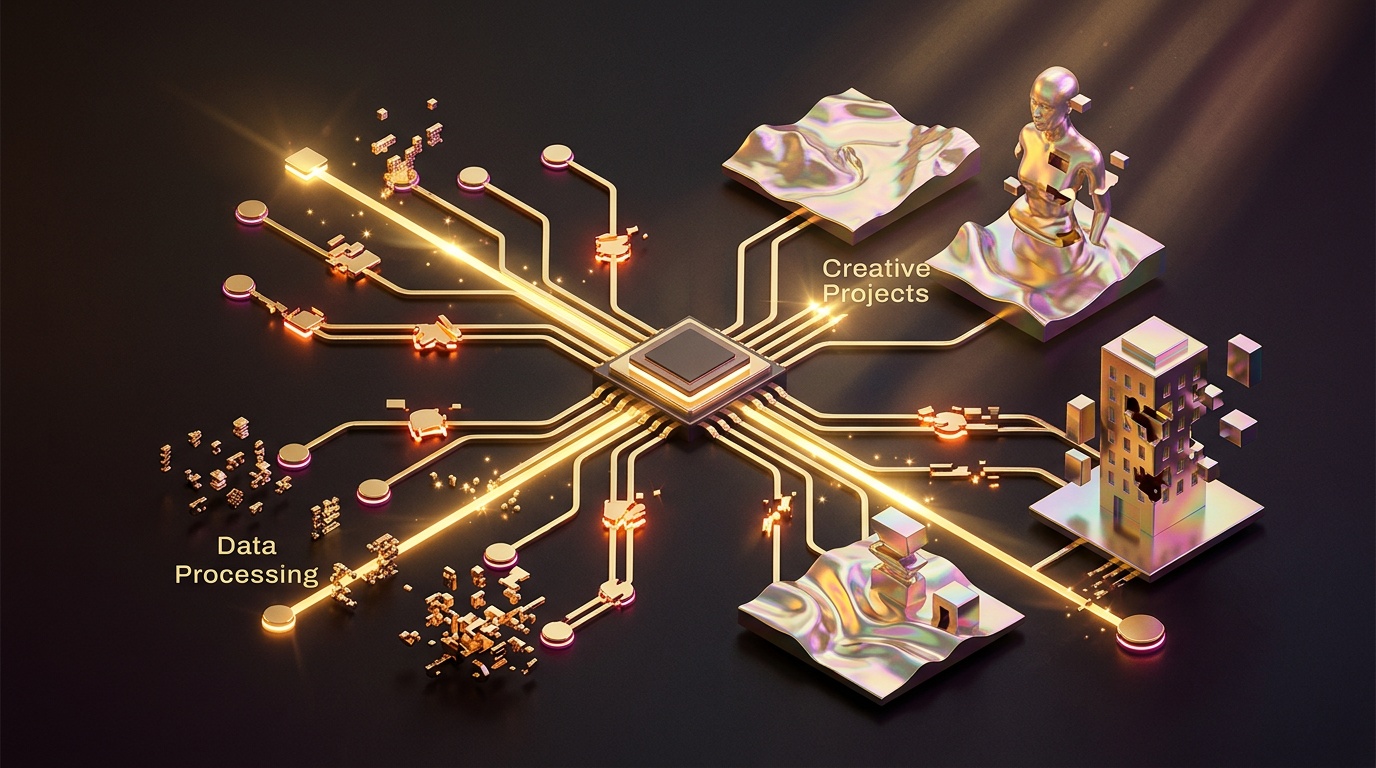
Neural networks have become an integral part of our digital world, but their capabilities do not always align with expectations. Let's examine a few common misconceptions and see how they can be used to improve results.
Myth 1: Neural networks always provide accurate results
One of the most common myths is the belief that neural networks always produce error-free results. However, as shown by the recent situation with Telstra, where legacy equipment led to a failure, technical issues can also occur in neural networks. Neural networks are prone to errors due to data inconsistencies or poorly defined tasks, much like hardware failures. To bypass this limitation, it is important to test and adapt models on different data samples so they can better handle non-standard situations.
Myth 2: Neural networks can completely replace humans
Many believe that neural networks will soon completely replace human labor. In practice, however, they serve as a tool to support and accelerate work, rather than replace employees. This is especially true in creative industries, where human thinking complements AI capabilities, creating higher-quality projects. How to use this in practice: combine the capabilities of neural networks with human experience to achieve better results.
Myth 3: Neural networks do not require refinement
Another erroneous stereotype is that neural networks produce a finished product that requires no further work. In reality, every result requires verification and, potentially, adjustment. This is especially important in fields such as content generation or music, where subtle nuances matter. Conclusion: always check and adjust the results of neural networks to ensure quality.
How to bypass limitations and use them to your advantage
- Training and adaptation: regularly update models to avoid obsolescence and errors.
- Combined approach: use AI in conjunction with human experience to achieve the best results.
- Testing: test models on various datasets to increase accuracy and reliability.
Use neural networks not as a replacement, but as an amplifier of your professional skills. Try the capabilities of the models through the GEMERA AI service and improve your processes with advanced technologies.