How AI Model Export Controls Work: A Guide Following the Fable and Mythos Ban
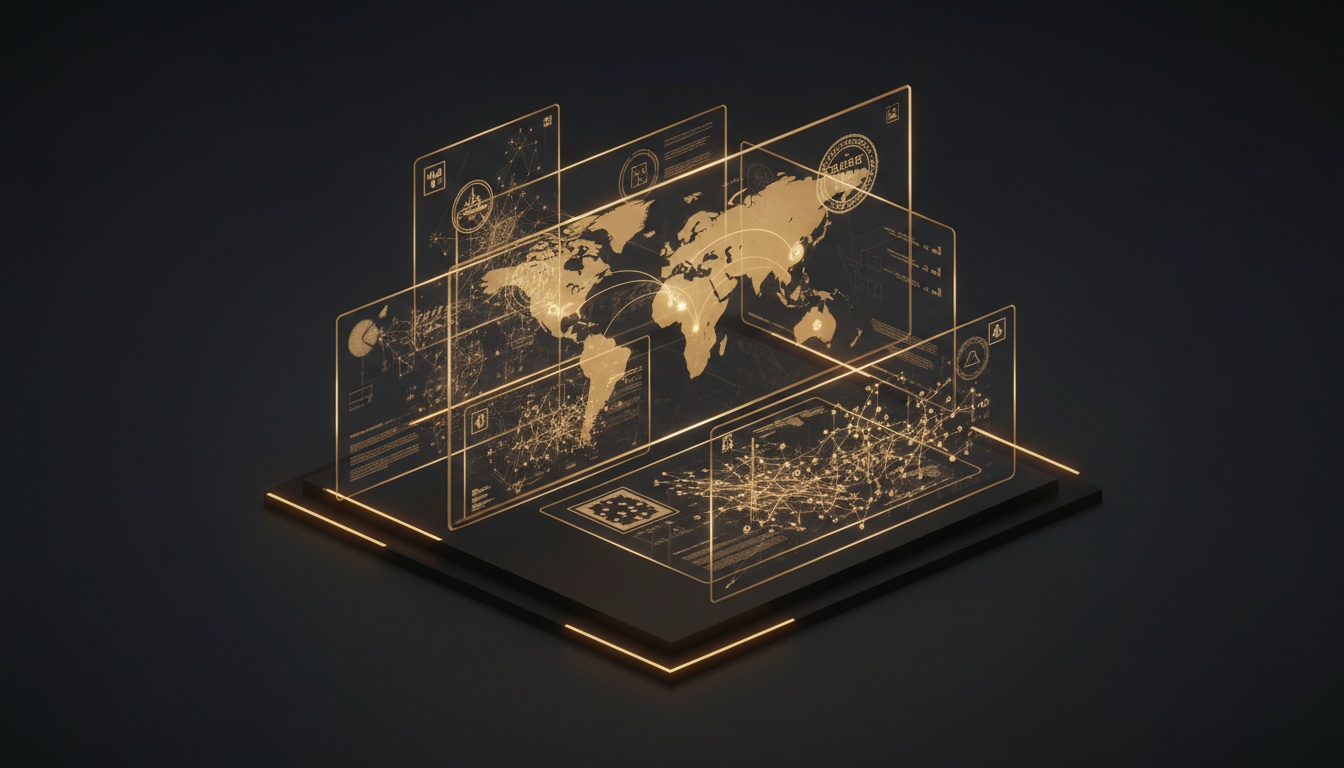
On June 12, 2026, U.S. authorities applied export controls to AI language models for the first time. Anthropic received a directive from the Department of Commerce and disabled access to Fable 5 and Mythos 5 for all users—including American clients. The reason: the models were classified as dual-use technology capable of assisting in cyberattacks and bypassing security systems. According to The Bell, the restriction even extended to Anthropic employees without U.S. citizenship.
Until this moment, export controls only applied to chips and computing hardware. Now, regulators equate access to advanced models with the export of critical technology. This changes the rules of the game for everyone working with AI: companies, developers, and users. We break down how the new mechanism works and what to do next.
Why Fable 5 and Mythos 5 Were Banned
U.S. Secretary of Commerce Howard Lutnick stated that the models could fall into the hands of Russian and Chinese intelligence agencies. According to 3DNews, authorities are concerned about two scenarios:
- Software vulnerability discovery. Fable 5 and Mythos 5 are capable of analyzing code and finding security loopholes faster than a human.
- Jailbreaking built-in restrictions. The models are able to bypass their own safety filters, making them a tool for creating malicious content.
The Department of Commerce demanded that Anthropic grant access to foreign users only after obtaining export licenses. Refusal carries the threat of fines and criminal liability. Since it is technically impossible to separate foreign clients from American ones in real-time, the company disabled the models for everyone.
How AI Model Export Controls Work
Before June 2026, export restrictions applied to physical objects: NVIDIA H100 chips, servers, and supercomputers. AI models were considered software that is not exported if it runs on servers within the U.S. The blocking of Fable 5 changed this logic.
Now, authorities view access to a model as a form of technology export. If a foreign citizen sends a request to a model via an API or web interface, it is equated to transferring technology abroad—even if the server is physically located in the U.S. and the code never leaves the country.
According to the publication Systemny Blok, independent experts have expressed doubts about the legitimacy of this approach. More than 80 cybersecurity specialists signed an open letter in support of Anthropic, calling for the restrictions to be lifted. However, the precedent has already been set.
Five Steps to Prepare for the New Reality
The case of Fable 5 and Mythos 5 shows that access to advanced models no longer depends solely on a company's technical capabilities. Government regulators can shut down a model at any moment. Here is what to do to ensure you aren't left without your tools:
- Diversify your providers. Do not build critical processes around a single model or a single API. Keep backup options: if one model is disabled, switch to another within a few hours.
- Study open-source models. Open-source solutions under Apache or MIT licenses can be deployed on your own servers. They do not depend on regulatory decisions and provide full control over the infrastructure.
- Monitor server geography. If your audience is located in a specific region, choose providers with servers in the same jurisdiction. This reduces the risk of export control-related blocks.
- Prepare contingency plans. Create a step-by-step plan for a sudden model outage: where to switch, how to migrate prompts, and who is responsible for the transition. This will save time in a critical moment.
- Evaluate models based on access stability. In addition to response quality and speed, consider the likelihood of regulatory risks. Models from companies with transparent policies and diversified infrastructure are more reliable.
What This Means for the Industry
The blocking of Fable 5 and Mythos 5 is the first time authorities have applied export controls to a publicly available AI model. But it is unlikely to be the last. According to Dropweb, experts expect three trends:
- Increased state control. The development of advanced models is definitively moving into the defense sphere. Governments will strictly control the export of algorithms and computing power.
- Growth in the popularity of local models. Businesses will begin to migrate more actively to solutions that can be deployed on their own servers to protect themselves from sudden restrictions.
- Division of the internet into spheres of influence. Access to advanced models from the U.S., China, or other technological blocs will be strictly segmented by geography.
This does not mean the AI industry will stop. On the contrary: companies will look for new architectures, open alternatives, and ways to bypass restrictions. But the rules of the game have changed. Now, when choosing a model, you must consider not only its capabilities but also the stability of access to it.
At GEMERA AI, you can work with models from various providers—GPT, Claude, Gemini—and quickly switch between them if one service is temporarily unavailable. This helps maintain operational continuity even in conditions of regulatory uncertainty.