Myths About Neural Networks on Marketplaces: The Truth About Product Listing Optimization
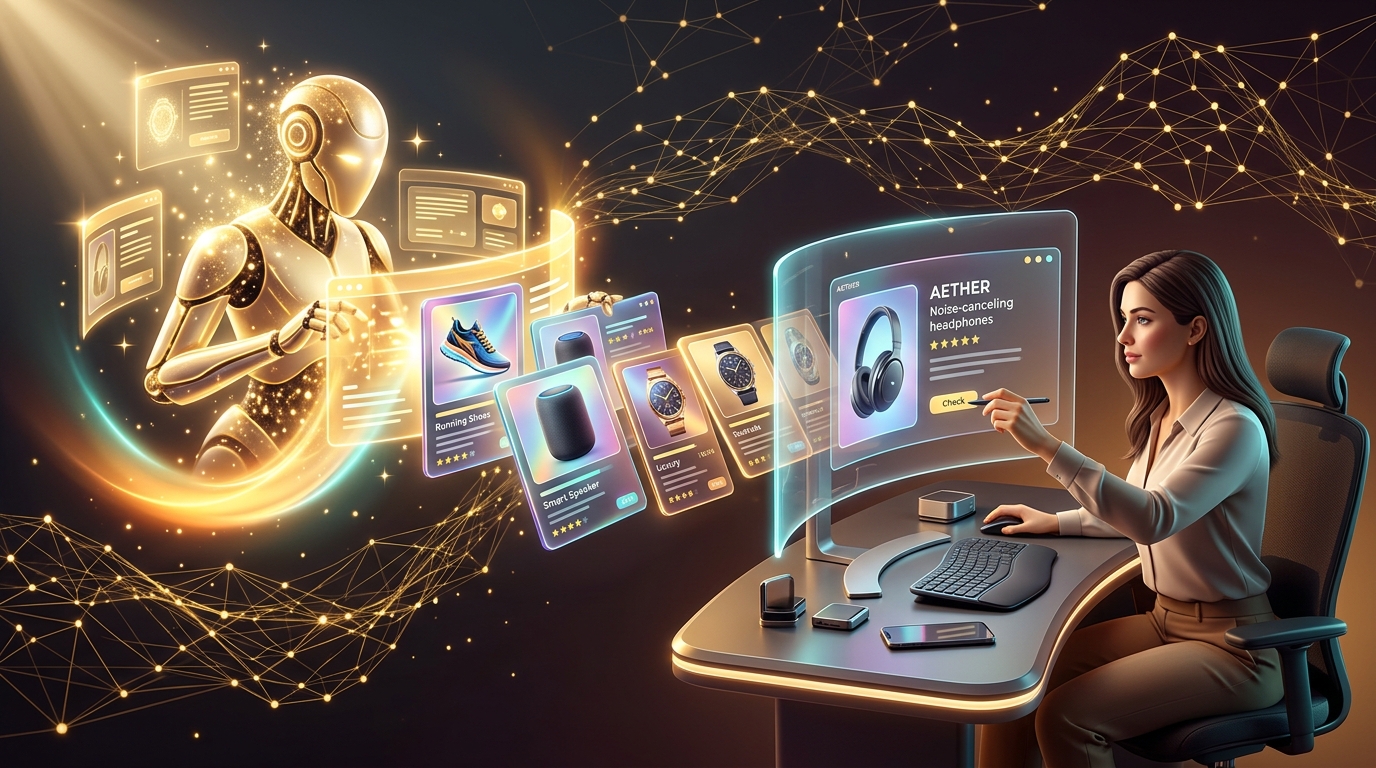
Neural networks have become an integral part of the workflow for sellers on marketplaces like Wildberries and Ozon. It might seem like automation could completely transform the process of creating product listings, but is that really the case? Let's break down a few common myths and uncover what lies behind the bold promises.
Myth 1: AI Completely Replaces Humans
One of the most common myths is that neural networks can entirely replace human labor in creating product listings. In reality, AI only streamlines processes without eliminating the need for human oversight. As noted in a recent article on vc.ru, effective automation can significantly reduce the time spent on creating listings, but the final review and edits must still be performed by a person.
Myth 2: Automation Improves Sales Without Effort
Many believe that automating product listings automatically leads to increased sales. Research on vc.ru showed that while listings created with AI did indeed rank higher in search results, the content still requires adaptation for the target audience and verification to ensure it meets platform requirements. Otherwise, errors can lead to listing blocks.
Myth 3: AI-Generated Product Listings Require No Edits
Automation is often viewed as a way to get rid of manual work entirely. However, as noted in an article on chimitdorzhi.tech, AI can invent specifications and overstuff content with keywords. Therefore, every product listing must undergo a thorough human review to avoid inaccurate information and negative customer feedback.
Myth 4: Neural Networks Handle Tasks Without Limitations
Neural networks often face limitations regarding image and text generation. For example, as reported by vc.ru, AI can create images with artifacts or incorrect proportions. High-quality infographics and photos require manual refinement and verification.
Try out the neural networks at GEMERA AI to evaluate their capabilities and set your own boundaries. It is an excellent way to optimize routine tasks without removing human control.