Nano Banana 2 vs. Seedream 4.0: Which Model Is Better for Photo Editing?
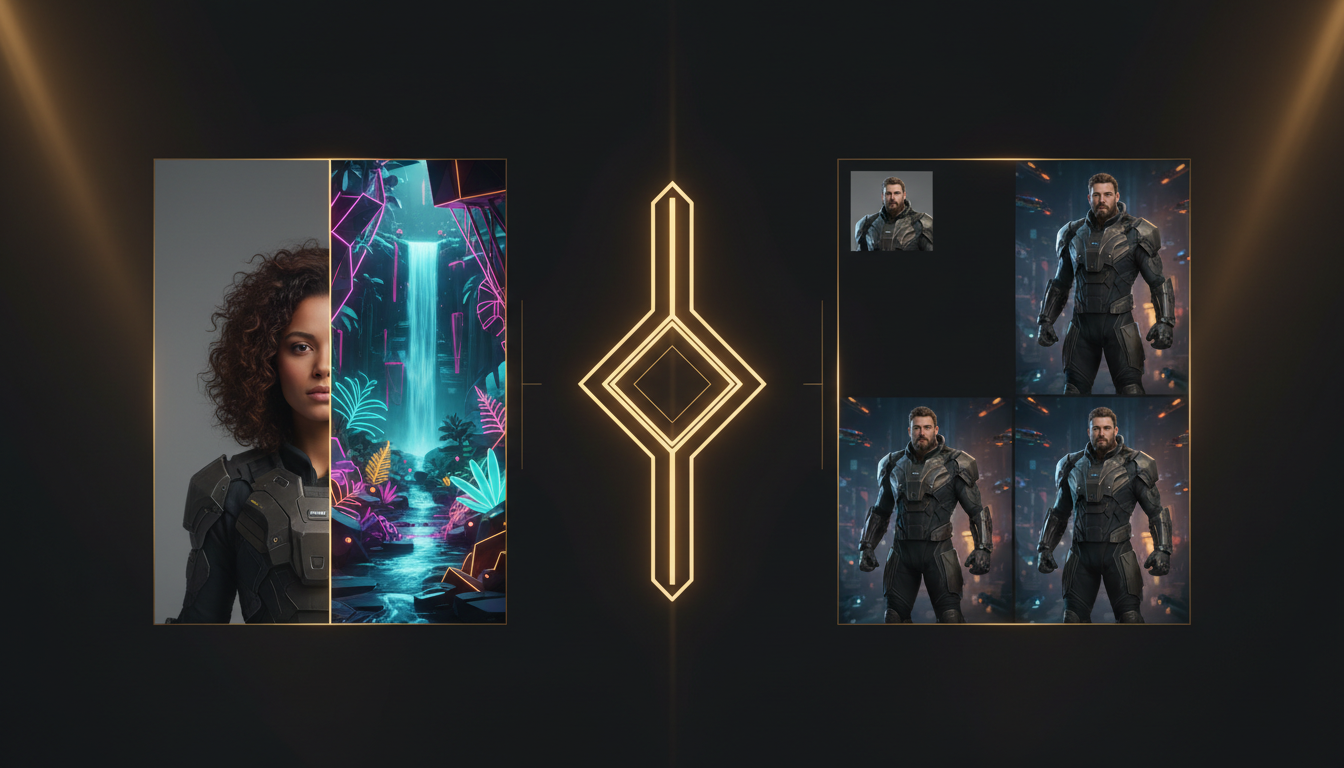
At the end of February, Google quietly updated its image generation and editing model with the release of Nano Banana 2, based on Gemini 3.1 Flash Image. Almost immediately, comparisons began with its main competitor, Seedream 4.0 from ByteDance. Both models can do more than just create images from scratch; they can also perform targeted edits on existing photos, such as changing backgrounds, poses, clothing, or adding objects. We break down the differences to help you choose the right one for your tasks.
Speed and Accessibility: Who Is Faster?
Nano Banana 2 runs on the Flash architecture, meaning images are generated in a matter of seconds. The model is built directly into the Gemini app and is available via the Google API and several Telegram bots popular in Russia. There is no need to change your IP or look for workarounds—the bots handle everything for you.
Seedream 4.0 is also fast, but it is more commonly found on aggregator platforms like Cutout.pro or through API providers. Direct access from Russia is more difficult, but the cost per request is lower—about $0.03 compared to $0.039 for Nano Banana 2. If you plan to generate hundreds of images, Seedream is more cost-effective.
Editing Precision: Who Follows Prompts Better?
The main difference lies in how the models interpret instructions. Nano Banana 2 is built on the Gemini reasoning engine; it doesn't just insert objects but analyzes context, space, and scene logic. If you ask to replace a background with a studio setting featuring dramatic lighting, the model will account for how that light should fall on the subject's face and clothing.
Seedream 4.0 excels in a different area: it maintains excellent character consistency and works with multiple references simultaneously. You can upload four photos of knitted toys and ask the model to combine them into a single scene, and it will preserve the style, proportions, and textures. This is ideal for serial content, comics, and brand mascots.
Text and Detail Handling: Where Are There Fewer Errors?
Nano Banana 2 has finally learned to render text on images properly. Previously, all models struggled here—letters would get jumbled and words would break. Now, you can request a poster with a headline in Russian or a product label, and the text will be legible and free of typos. Furthermore, the model understands typography: headlines are larger, captions are smaller, and everything is in its proper place.
Seedream 4.0 struggles more with text—it is not its strong suit. However, its object detailing is top-tier: fabric textures, reflections in glass, and skin pores are all rendered in 4K. If text isn't critical and you need photorealism, Seedream wins.
Price and Integration: What Is More Convenient in Russia?
For users in Russia, the easiest path is via Telegram bots. Nano Banana 2 is already integrated into several popular bots, allowing you to pay with Russian bank cards or Telegram Stars, with automatic prompt translation and Russian-language technical support. Prices start at 99 rubles for a generation package.
Seedream 4.0 is more often available through web platforms or APIs, which is slightly more complex for beginners but more flexible for those producing high-volume content. If you know how to work with APIs or are willing to learn, you will get a better price and more control over parameters.
Conclusion: Which One Is Right for You?
Choose Nano Banana 2 if you need:
- Quick, targeted photo edits—backgrounds, clothing, lighting
- Text on images—posters, labels, infographics
- Easy access from Russia via Telegram bots
- Straightforward prompting without complex workarounds
Choose Seedream 4.0 if you value:
- Serial content featuring the same characters
- Working with multiple references at once
- Maximum detail and photorealism
- Low cost per request for high-volume tasks
Both models are available in GEMERA AI—you can test them using the same prompts and choose the one that best fits your workflow. Try both, compare the results, and you will see which one becomes your primary tool.