Neural Networks at the Service of Freelancers and Small Businesses: Myth or Reality?
Neural Networks and Business: A Pragmatic Approach
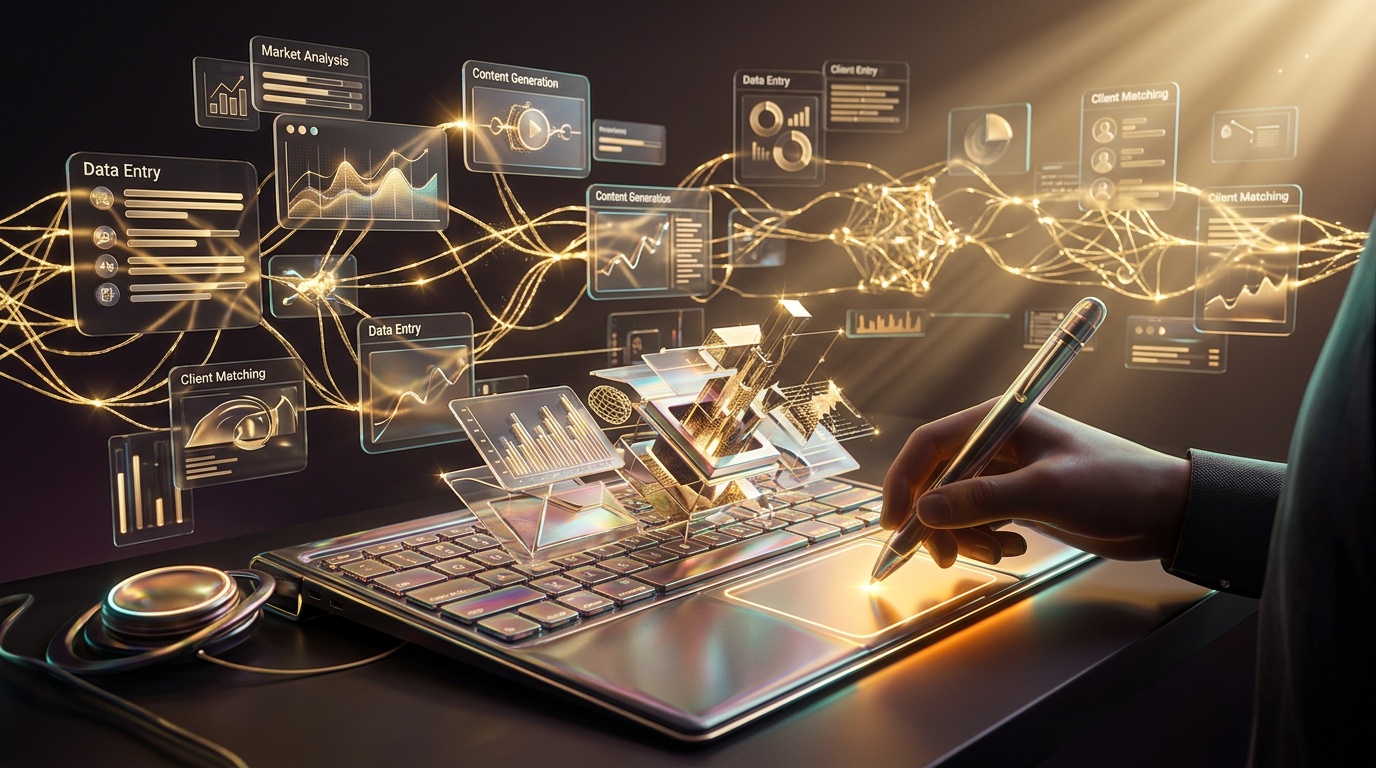
Modern neural networks offer promising tools for small businesses and freelancers. Many hope for the automation of content production, but how many of these promises actually translate into reality? In this article, we will analyze real-world use cases for neural networks and the pitfalls that may lie ahead.
Video Generation with Veo and Kling
Among the popular tools for creating video content, Google's Veo and Kling models stand out. These AI models possess different characteristics suitable for various aspects of work. For example, Veo 3 is known for its ability to create photorealistic videos, which can be useful for businesses working in real estate or architecture. However, as reported by Medium, the models have limitations, such as inconsistencies in the placement of text and logos.
On the other hand, Kling offers more stable quality and accessibility, which is important for creating regular video content. According to bigaireports.com, Kling may offer more reliability, but its results can sometimes appear overly "generated."
Real-World Examples of Model Application in Business
In practice, many companies and freelancers use neural networks for a variety of tasks. As mentioned by vc.ru, neural networks allow for the creation of promotional videos for platforms like Reels in just a few minutes. However, despite the speed of production, quality and suitability for the end user remain key issues.
It is important to consider that creating content with AI requires verification and moderation, especially when it comes to legally significant or branded content. Automation does not always mean quality, and even highly efficient models still require human oversight.
Pitfalls and Limitations
One of the main problems with using neural networks in business remains the cost and complexity of integrating them into workflows. As mentioned on LinkedIn, the cost and stability of model performance can vary, which requires businesses to be flexible in configuring and selecting the appropriate tools.
Furthermore, from the perspective of freelancers and small businesses, it is important to understand that neural networks are not a universal solution. Their use requires analysis and an understanding of which specific tasks can and should be delegated to AI, and which are better left to humans.
Conclusion
Neural networks are paving the way for more efficient and diverse content production, but they are not a panacea. Small businesses and freelancers should soberly assess the capabilities of these technologies to avoid falling into the trap of inflated expectations. We invite you to take a look at the available tools at GEMERA AI to choose the solutions that are right for you.