Why Neural Networks Won't Replace Common Sense: Limits and Trade-offs
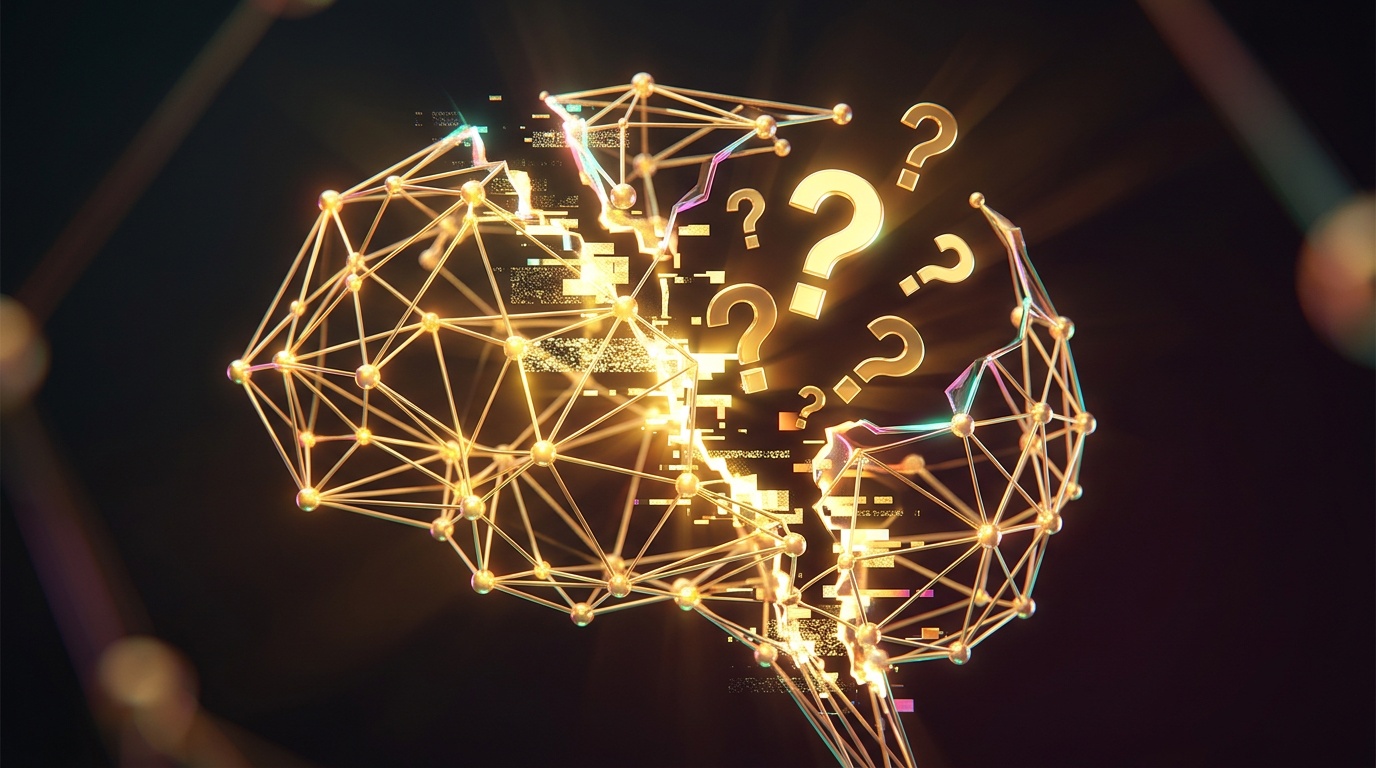
Today, neural networks promise miracles, from creating original texts to automating routine processes. But as much as we would like to believe in the magic of artificial intelligence, it has its limitations. Yes, neural networks are truly impressive, but they often make mistakes. Let's figure out why this happens and how to live with it.
When the Machine Doesn't Think
The main thing to remember is that neural networks do not possess true intelligence. They are complex algorithms trained on massive datasets. For example, OpenAI Presence, a new product from OpenAI, promises a revolution in corporate customer support. With its help, most requests can be resolved without human intervention. But even such systems have their limitations. For instance, they still require control and fine-tuning to minimize incorrect decisions.
Errors Due to Context
Neural networks often make mistakes due to a lack of context awareness. They can generate text beautifully, but they don't always understand whether that information is appropriate or correct in a given situation. In the real world, language is far more complex than the simple statistics that machines use. This creates a host of curious situations—from incorrect translations to strange recommendations. It is important to remember that for successful use of neural networks, it is essential to interpret their results with critical thinking.
Accounting for Settings and Data
Problems can also arise from the datasets on which models are trained. Neural networks are prone to bias if it is present in the data they learned from. This has been discussed many times in the context of various cases of discrimination or incorrect conclusions. When working with such models, it is important to check the sources and nature of the data to proportionally assess the risk of errors.
How to Minimize Risks?
There are a number of strategies that will help reduce the likelihood of neural network errors:
- Regular verification of results: never trust a machine 100% without verification.
- Development of control systems: implementation of additional algorithms that can track and correct errors.
- Feedback: the simplest but most effective measure is the integration of a feedback system that helps train the model on new data and situations.
Conclusion
Neural networks are a powerful tool, but they are far from ideal. They must be used with intelligence and caution. When trying out various solutions, it is important to remember: the human mind is still necessary for evaluating and correcting results. At GEMERA AI, you have the opportunity to try different models and understand how they can become your assistants, while not forgetting the realities of their use.