Why Neural Networks Make Mistakes: Should You Trust Their Answers?
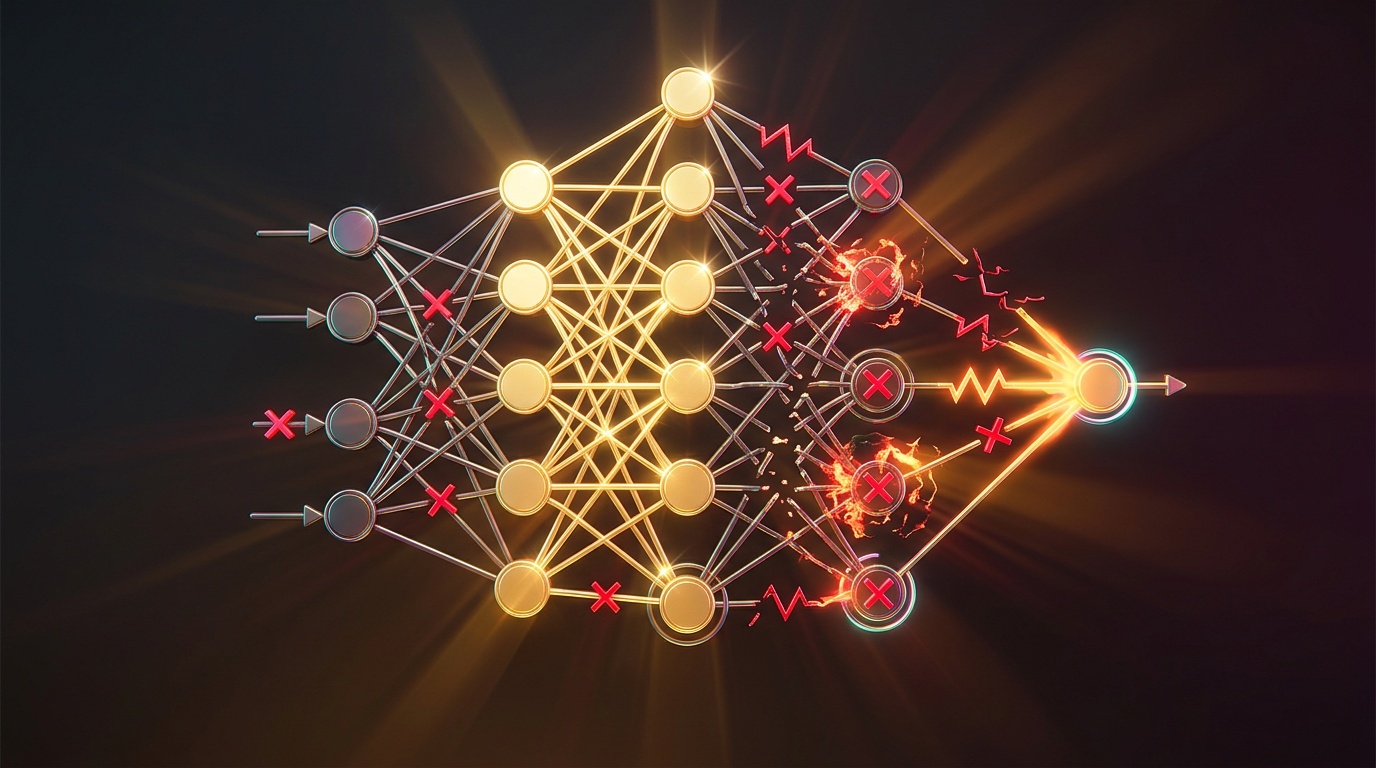
Neural networks have become an integral part of our daily lives, assisting with a wide range of tasks—from drafting texts to searching for information. However, how often do we stop to consider how much we can trust their answers? Why do neural network results sometimes cause confusion, or even lead us astray?
Where and Why Neural Networks Make Mistakes
The primary reason for neural network errors is their statistical nature. Neural networks are trained on vast amounts of data, and their task is to predict the most likely next step, rather than to seek the truth. For example, they do not always understand the context or specific requirements of a task. This leads to "hallucinations"—generating plausible but incorrect answers, as noted in the article on [practicum.yandex.ru]( Errors are especially likely when we expect a neural network to solve problems that were not covered during its training. This is common when working with niche topics where there is insufficient information in open sources.
Avoiding and Minimizing Errors
Despite their flaws, neural network errors can be minimized. One way is to be more detailed in your prompts. Clearly define the task and provide as much context as possible, as experts on [habr.com]( suggest. It is also important to always double-check the neural network's answers, especially when making important decisions.
- Prompt detailing: provide the neural network with more conditions and context.
- Verification through reliable sources: compare answers with verified data.
- Cross-referencing: use different neural networks for the same task and analyze the results.
The Importance of Human Involvement
Neural networks are merely tools that can provide effective assistance, but the final responsibility for decision-making remains with the human. As noted on [habr.com]( a model cannot independently verify the accuracy of its own conclusions. Therefore, for complex tasks, it is essential to always involve human expertise to avoid critical errors.
Conclusion
Neural networks continue to surprise us with their capabilities, but it is important to remember their limitations. A proper approach to using these technologies, detailed verification of answers, and keeping humans in the decision-making loop can significantly improve the quality of your work with AI. Try using the models in GEMERA AI for your tasks and see for yourself how useful they can be.