Will AI skills save a designer's career in the 2026 job market?
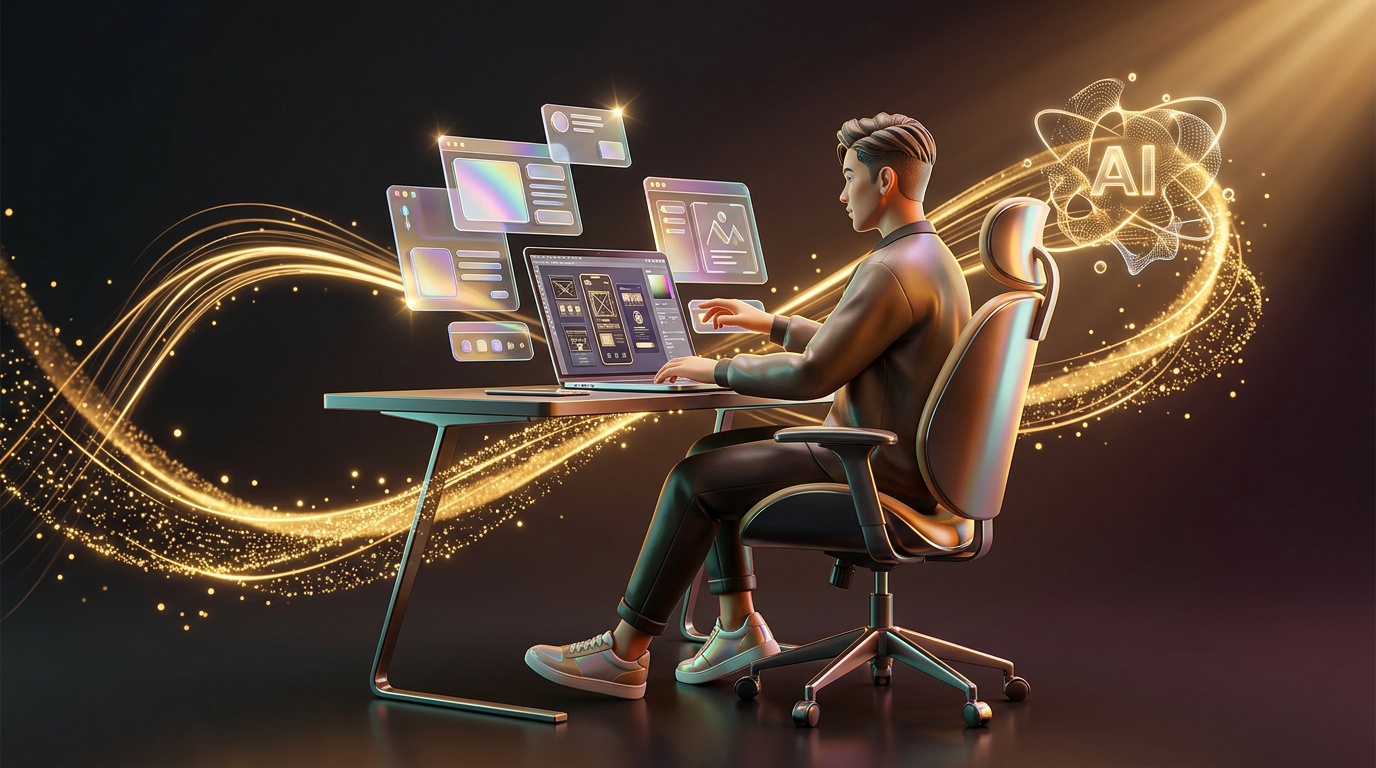
A product designer with five years of experience found himself out of a job—the company suggested he resign voluntarily to avoid paying severance. What followed was a marathon familiar to thousands of professionals: dozens of applications, auto-rejections from bots, and total silence where live recruiters used to respond. The story ended with a job offer, but the path to it took several months and forced the designer to completely rebuild his job search strategy—with neural networks playing the lead role.
What actually happened
The hero of our story—let's call him Eugene, as in the original material—. Then, the following began.
The first attempt to enter the market turned into a shock:. The turning point was switching to a different communication channel:. In the end, he managed not only to secure several months' salary but also to go through the entire hiring process and receive an offer—even though. The hero's final conclusion is simple:.
Numbers confirm: the design market is truly changing
This is not an isolated case, but a symptom of a broader restructuring. According to one industry survey,.
At the same time, designers' attitudes toward AI are mixed. On one hand,. On the other—, and. Almost half of the market feels the flip side of these changes:.
What exactly has AI taken from the designer, and what has it left?
If we look past the fears and at the real tasks, the picture becomes clear. In the design development phase, neural networks have already firmly established their place:.
In practice, it looks like this:
- Draft generation — mood boards, textures, and rough ideas, where speed is more important than final precision.
- Quick versions for discussion — instead of spending an hour in Figma, you can show a client three different directions in a couple of minutes.
- Routine processing — background edits, lighting adjustments, and resizing for social media formats.
However, where a final, legally clean, and precise result is required, AI still falls short compared to human tools. Even powerful image generation models. In other words, AI is excellent at covering the first draft layer of work, but the designer continues to bear the final responsibility and ensure precision.
What to do about this right now
From the layoff story and the statistics, a very practical set of steps emerges:
- Integrate AI into the draft stage of work. Generating mood boards, initial layouts, and variations—where speed is critical, but the final polish is still done by a human.
- Don't be afraid of job search tools. Neural networks can be used not only in design but also in the hiring process itself—from analyzing a job description to tailoring a resume for a specific position.
- Expand your search channels. When automatic filters on classic job sites screen out resumes before a human ever sees them, live contacts through professional communities often work more effectively.
- Keep your focus on what AI cannot yet do — final assembly, clean vector work, precise typography, and accountability to the client for the result.
One designer's story is neither a verdict nor a guarantee for everyone. But it shows a pattern: the job market has become tougher not because fewer designers are needed, but because requirements have shifted toward those who know how to use neural networks as an accelerator rather than a replacement for their own expertise.
If you want to learn in practice which AI models actually speed up a designer's work—from generating draft visuals to processing photos and texts for a portfolio—you can try several tools at once in GEMERA AI via a single Telegram bot and web dashboard, without needing to figure out a dozen separate services.