Why Generate Video Using Kling, Wan, and Other Neural Networks
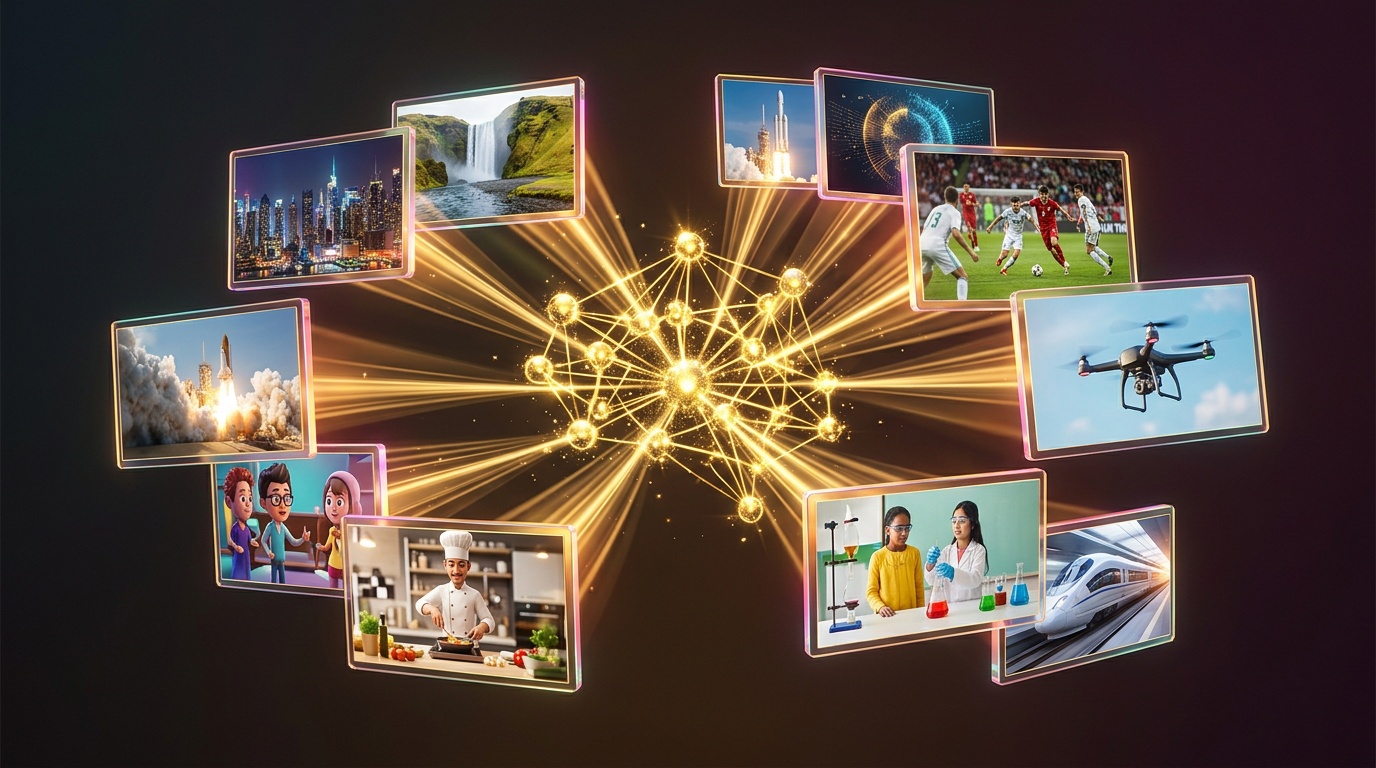
Video generation using neural networks is becoming an increasingly popular task for both professionals and hobbyists. Among the popular models are Kling, Wan, Veo, Hailuo, and Seedance. But how effective are they really, and what surprises might await users?
What Modern Video Generation Models Can Do
Video generation models like Kling and Wan promise to create realistic video clips based on text descriptions or other visual data. These technologies are finding applications in various fields, including advertising and filmmaking. For example, Hailuo focuses on character animation, while Veo offers the creation of entire scenes.
The main advantage of such models is their ability to generate content quickly, which is especially valuable for marketers and content creators who need to respond promptly to current trends.
Limitations and Pitfalls
Despite all the conveniences, video generation models are not without their limitations. For instance, they often suffer from a lack of precision in conveying details and context. Seedance can be an excellent choice for creating abstract or stylized videos, but realism and detail often leave much to be desired.
It should also be considered that such models require significant computing power, which can be a problem for individual users or small teams. Furthermore, training and fine-tuning models can take significant time and resources.
Real-World Use Cases
Some companies are already using these models to create commercials where speed and creativity are more important than the level of detail. For example, advertising agencies use Kling to quickly create promo films, which helps save time and budget.
At the same time, in the entertainment industry, models like Veo and Wan are used for experiments with virtual reality and interactive videos, where the viewer can choose how the plot develops.
Conclusions and Recommendations
Video generation models are a powerful tool, but their use requires understanding and appropriate preparation. For marketers and designers, such models are becoming a useful tool for accelerating workflows and experimenting with content. However, for more complex and critical tasks, the involvement of specialists capable of fine-tuning and adapting the model to specific needs may be required.
Try evaluating the capabilities of neural networks in GEMERA AI yourself to see how useful they can be in your specific case.