Zero-shot vs. Few-shot in Prompt Engineering: Configuration and Efficiency
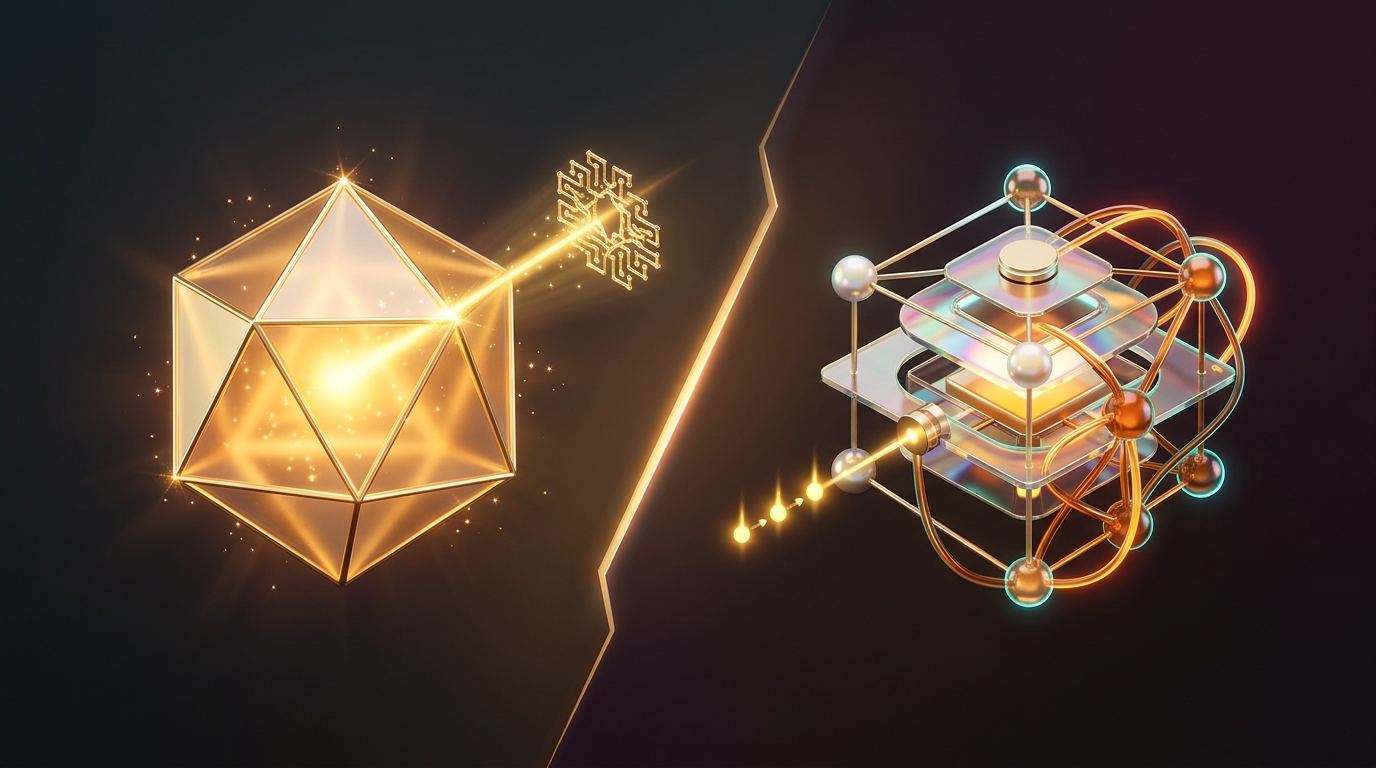
The world of prompt engineering is constantly evolving, and two key approaches — zero-shot and few-shot — are becoming defining factors in creating queries for neural networks. If you want to learn how to control models without unnecessary fluff, these techniques will help you achieve precise and expected results even in complex tasks.
Zero-shot: How it works
Zero-shot is a method where you give the model a task without providing examples. This can be useful for standard tasks where instructions are clear, such as classification or translation. This approach saves time on prompt drafting but requires the engineer to use clear and concise wording to avoid ambiguity.
Few-shot: Adding examples
Unlike zero-shot, few-shot includes examples, making it more suitable for complex or non-standard tasks. You provide the model with two or three examples so it can understand the pattern and start producing more relevant results. This is especially useful when you need not just classification, but deep analysis or a creative solution to a problem.
Why it matters
These techniques are changing the rules of the game in prompt engineering. Zero-shot is suitable for a quick start, while few-shot provides greater accuracy and depth in more complex scenarios. The ability to combine them allows you to find the optimal approach for each specific task, making work with neural networks more predictable and productive.
Learning and practicing these methods opens the door to more effective AI usage in daily work and allows engineers to control models at a completely new level. This duo is the key to success in modern prompt engineering.
Conclusion
If you want to get the most out of neural network capabilities, learn and apply zero-shot and few-shot approaches. These techniques will help you reduce errors and improve the quality of responses. Try them out with models from GEMERA AI and see their effectiveness for yourself.